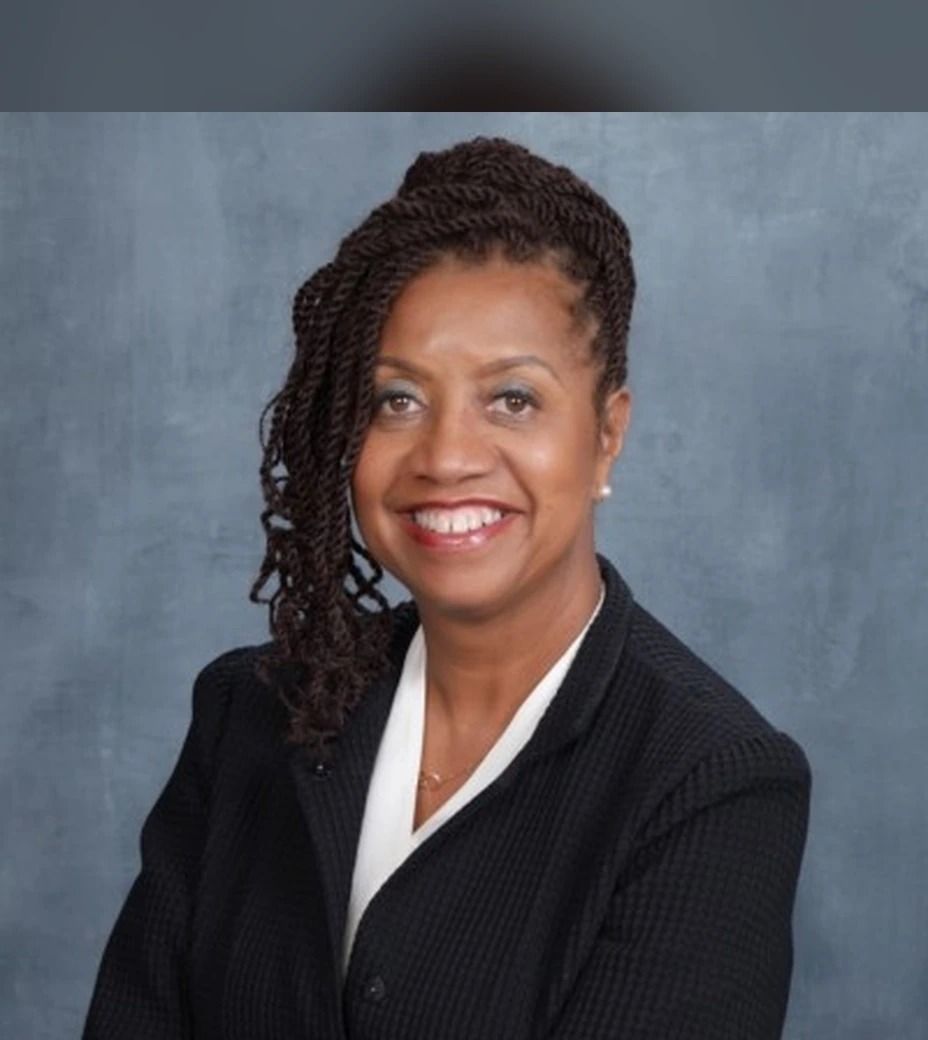
Dr. Carol J. Scott
MD, MSEd, FACEP, NBC-HWC, BCPA
Emergency physician, patient advocate and health coach. She adapted the safety science of high reliability organizations into the SCOTT Protocol, a way for one person to manage their own health with the discipline of a flight deck.
Training and credentials
- Medical degree
- Rush Medical College and the University of Illinois
- Internal medicine
- Residency at Duke University; board certified
- Emergency medicine
- Residency at Johns Hopkins Hospital, where she served as an Assistant Chief of Service; board certified
- Education
- Master of Science in Education, Johns Hopkins University
- Fellowship
- Fellow of the American College of Emergency Physicians (FACEP)
- Advocacy
- Board-Certified Patient Advocate (BCPA); certified by the American College of Physician Advisors
- Coaching
- National Board-Certified Health and Wellness Coach; Founding Fellow, Institute of Coaching Professional Association
Training
Dr. Scott earned her medical degree through Rush Medical College and the University of Illinois, then trained twice: first in internal medicine at Duke University, then in emergency medicine at Johns Hopkins Hospital, where she served as an Assistant Chief of Service. She is board certified in both specialties. She later earned a Master of Science in Education at Johns Hopkins University, and the National Association of Women Emergency Physicians named her its Educator of the Year.
The two residencies matter to the protocol. Internal medicine is the long view: chronic disease, risk that builds over years, the patient you see every few months. Emergency medicine is the short view, the moment when everything that has been building finally arrives at once. Dr. Scott has worked at both ends of that timeline.
Emergency medicine
She is a Fellow of the American College of Emergency Physicians and has chaired the Emergency Medicine Section of the National Medical Association. Her work in the specialty has long included the question of who gets good care and who doesn’t. She wrote “Racial and Ethnic Health Care Disparities; An Emergency Medicine Perspective” for the journal Academic Emergency Medicine, served on the Association of American Medical Colleges’ Minority Faculty Advisory Committee, and reviewed the first cultural competency curriculum for the Society of General Internal Medicine. The Wall Street Journal cited her for training programs designed to improve physicians’ cultural competency.
Her published biography also notes that she has served as a physician hospital surveyor for the Joint Commission, the hospital accrediting body whose aim of “zero harm” the fifth step of her protocol borrows. She has looked at hospital safety from the surveyor’s side of the table, which is a useful place to learn where defenses are thin.
Patient advocacy
Dr. Scott is a Board-Certified Patient Advocate. Through The Scott Health Advisory, her practice in Baltimore, she works with individuals and families facing serious illness: reading records with a physician’s eye, preparing for the appointments that matter, arranging second opinions and staying with a family through treatment. For more than a decade she provided concierge patient advocacy for families through Morgan Stanley.
Advocacy is where the SCOTT Protocol’s third step, oversight, comes from. Patients do better when someone who knows medicine and knows them is watching the whole case, and when the patient’s own knowledge of their body is treated as expertise.
“Carol served as our patient advocate, and she gave us hope where there was only fear and despair. She made contacts late at night when we first spoke and got us in the next day with the best person in the field. She stuck with us through the bad, then the better, then the scary times, never letting go of my hand. Her knowledge, her confidence, and her ability to open doors are unrivaled. She is a savior.”
Coaching, and stress
She is a National Board-Certified Health and Wellness Coach and a Founding Fellow of the Institute of Coaching Professional Association, and she coaches leaders through Executive Wellness Coaching. Much of that work concerns stress. Her framework for it, BestStressZone, treats stress as something to calibrate rather than eliminate, and it is the subject of her book Optimal Stress: Living in Your Best Stress Zone (Wiley, 2010). She also wrote Fortified Family Health: A Briefing and Guide for Women (2015).
“Are you sitting down? I did it. I kept the appointment with my doctor and used your suggestions. I told her how I really feel, and she listened differently. I feel better, and I am going to stay with her. I told her it was part of my new work-life balance program, mapped out by a very persistent Dr. Carol Scott.”
Why she built the SCOTT Protocol
Hospitals spent the decades after the Institute of Medicine’s 1999 report on medical error borrowing safety methods from aviation and nuclear power. Dr. Scott’s question was why those methods should stop at the hospital door. She put it plainly in a 2015 HuffPost column:
“High Reliability Science is used in many hospitals to improve patient outcomes. This field isn’t limited to institutional use, however.” Dr. Scott, writing in HuffPost, 2015
In that column she called her adaptation S.M.A.R.T. Thinking and described it as “a personalized adaptation of the five key principles of High Reliability Science.” The SCOTT Protocol organizes the same five principles under the letters of her name: self-awareness, consistent monitoring, oversight, tenacity and taking action. The original protocol explains the premise in a sentence: “the human body has thousands of potential points of failure.” The goal she set for it is the one high reliability organizations set for themselves, zero preventable harmful events.
“By accepting your body, health and wellness as a business, your first action step is to become CEO of your wellness. Your doctor is your COO, who helps support you in achieving your goals.” Dr. Scott, from the original SCOTT Protocol
Writing and media
Her work has been featured in The Wall Street Journal, The Washington Post, SELF, Fast Company, O, The Oprah Magazine and HuffPost, where she has written a series of columns on stress, heart health and prevention. She also writes the newsletter Truth4Health on Substack.
Her next book, The Black Woman’s Guide to Your Best Health: How to Be Seen and Heard in Healthcare Settings, is forthcoming from Johns Hopkins University Press.
Working with Dr. Scott
Consultations run through The Scott Health Advisory. A first conversation usually starts with what is worrying you: a new diagnosis, a parent’s care, a hospital stay, or a sense that something is being missed. You can reach the practice through its contact page or by phone at 410-336-7894. Leaders who want coaching rather than advocacy can start at Executive Wellness Coaching.
Nothing on this site creates a doctor-patient relationship. If you think you are having a medical emergency, call 911.
Talk to Dr. Scott about your own defenses.
A consultation through The Scott Health Advisory starts with where your health, or a family member’s, could fail, and ends with a plan.
or call 410-336-7894